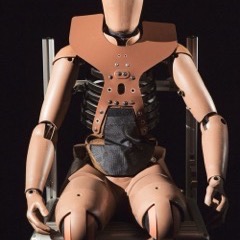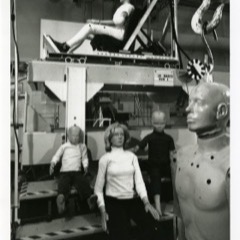
A ragdoll is a game character whose body, at some point, stops following hand-made animation and starts following physics. Limbs swing from joints, the body folds over obstacles and gravity pulls it down. What began as a cheap way to make death look less repetitive grew into a whole style of game, from Flash toys to Steam hits such as Happy Room. Here is how it works and where it came from.
What "ragdoll" actually means
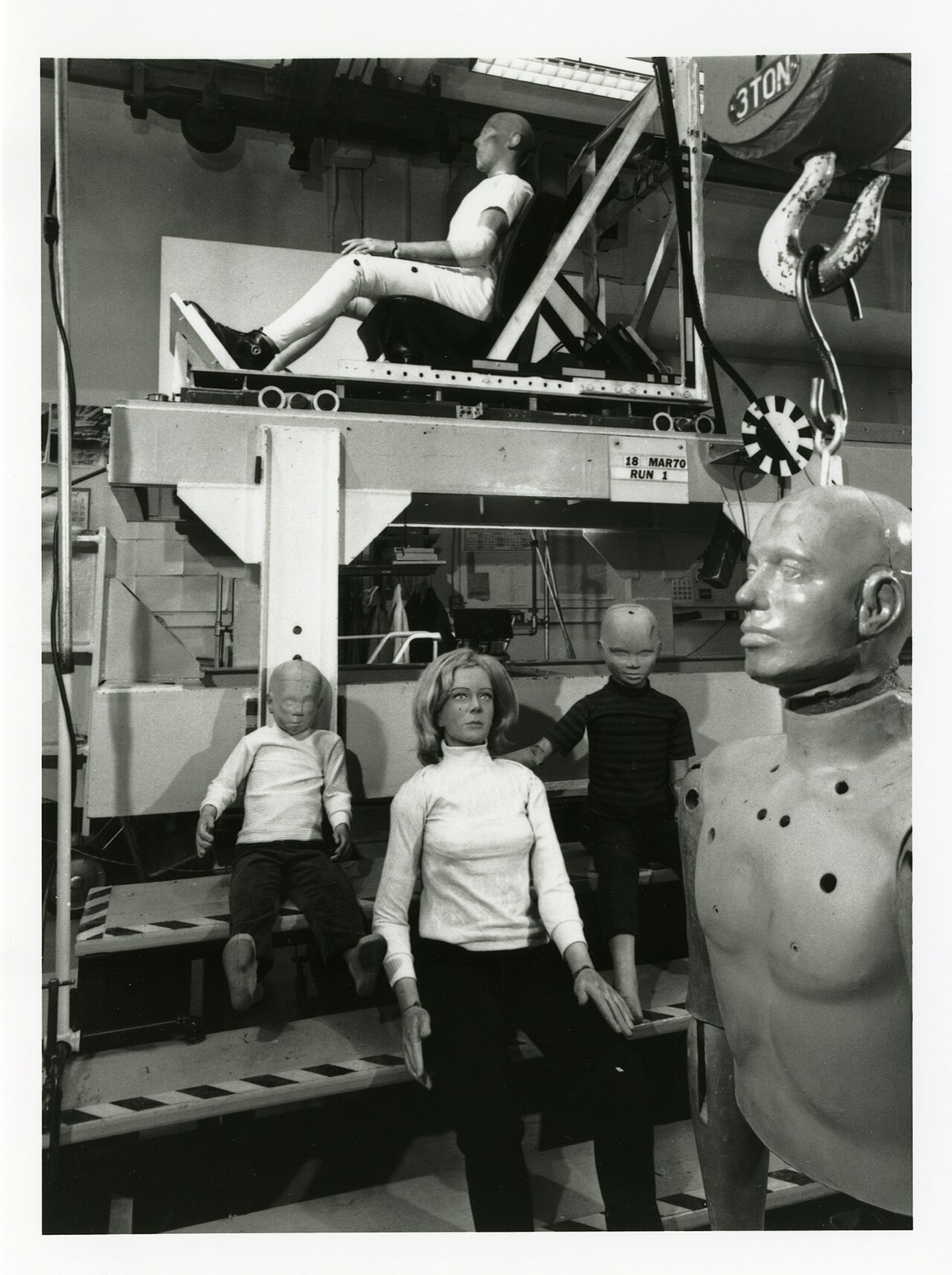
A ragdoll character is a set of rigid pieces, such as a head, torso, upper and lower arms and legs, connected by joints. Each joint has limits so that an elbow bends one way and a neck does not spin all the way round. When the ragdoll is switched on, the physics engine treats the body like any other object: it applies gravity, detects collisions and solves the joint constraints dozens of times per second. The result is a figure that collapses believably, if sometimes comically.
The comedy is part of the appeal. Real bodies are stiffened by muscles; a basic ragdoll has none, so it flops. Some games add "active ragdolls" with simulated muscles that try to keep the character upright, which produces the wobbly, drunken movement of games like Gang Beasts and Human: Fall Flat. The basics of the maths are in our game physics primer.
A short history
Developers experimented with physical character bodies in the late 1990s; Jurassic Park: Trespasser (1998) is often cited as an ambitious early attempt. Hitman: Codename 47 (2000) is widely credited with bringing ragdoll deaths to a mainstream game, and the technique used there was described by IO Interactive programmer Thomas Jakobsen in an influential talk and paper on "advanced character physics". By the mid-2000s, physics middleware like Havok had made ragdolls standard in big shooters, and NaturalMotion's Euphoria system brought procedurally animated, reactive bodies to Grand Theft Auto IV in 2008.
At the same time, the browser scene took ragdolls in a different direction. Flash games could not match the graphics of console shooters, but they could make the physics the whole point. Ragdoll toys, "dismount" games and torture-chamber sandboxes appeared by the hundred.
Ragdoll games worth knowing
| Game | Year | What makes it notable |
|---|---|---|
| Happy Wheels | 2010 | Jim Bonacci's browser game: fragile riders on absurd vehicles, plus a huge library of player-made levels |
| Stair and Truck Dismount | 2000s | Push a figure down stairs or crash a vehicle and score the damage; the template for many later games |
| Turbo Dismount | 2014 | Secret Exit's polished 3D take on the dismount idea |
| Human: Fall Flat | 2016 | No Brakes Games' puzzle game built on a wobbly active ragdoll |
| Happy Room | 2016 | Mana Potion Studios' lab sandbox with unlockable devices; see our guide |
| People Playground | 2019 | A detailed 2D sandbox of physics, chemistry and machinery |
Release years are given as commonly reported; some of these games were updated or re-released many times. The old version of this site also listed browser titles such as Water Ragdoll 2 and Ragdoll Achievement 2, small Flash toys whose authors are not well documented.
Why ragdolls are so watchable
Ragdoll games produce a different result every time, and they produce it fast. That makes them ideal for clips and streams: a five-second fall can be funnier than a five-minute cutscene. They also reward experimentation. The player sets up a situation and the engine improvises the ending, which is why the genre suits sandboxes far better than linear levels.
Dropping a body down a pegboard: ragdolls, Plinko and pachinko
Watch a ragdoll tumble down a staircase in a dismount game and you are looking at a close cousin of a Galton board. Each step is a peg; at each one the body goes a little left or a little right, and small differences add up to very different landing spots. That is exactly how the Plinko board on The Price Is Right works, and why the biggest prizes are usually placed where the chip is least likely to land.
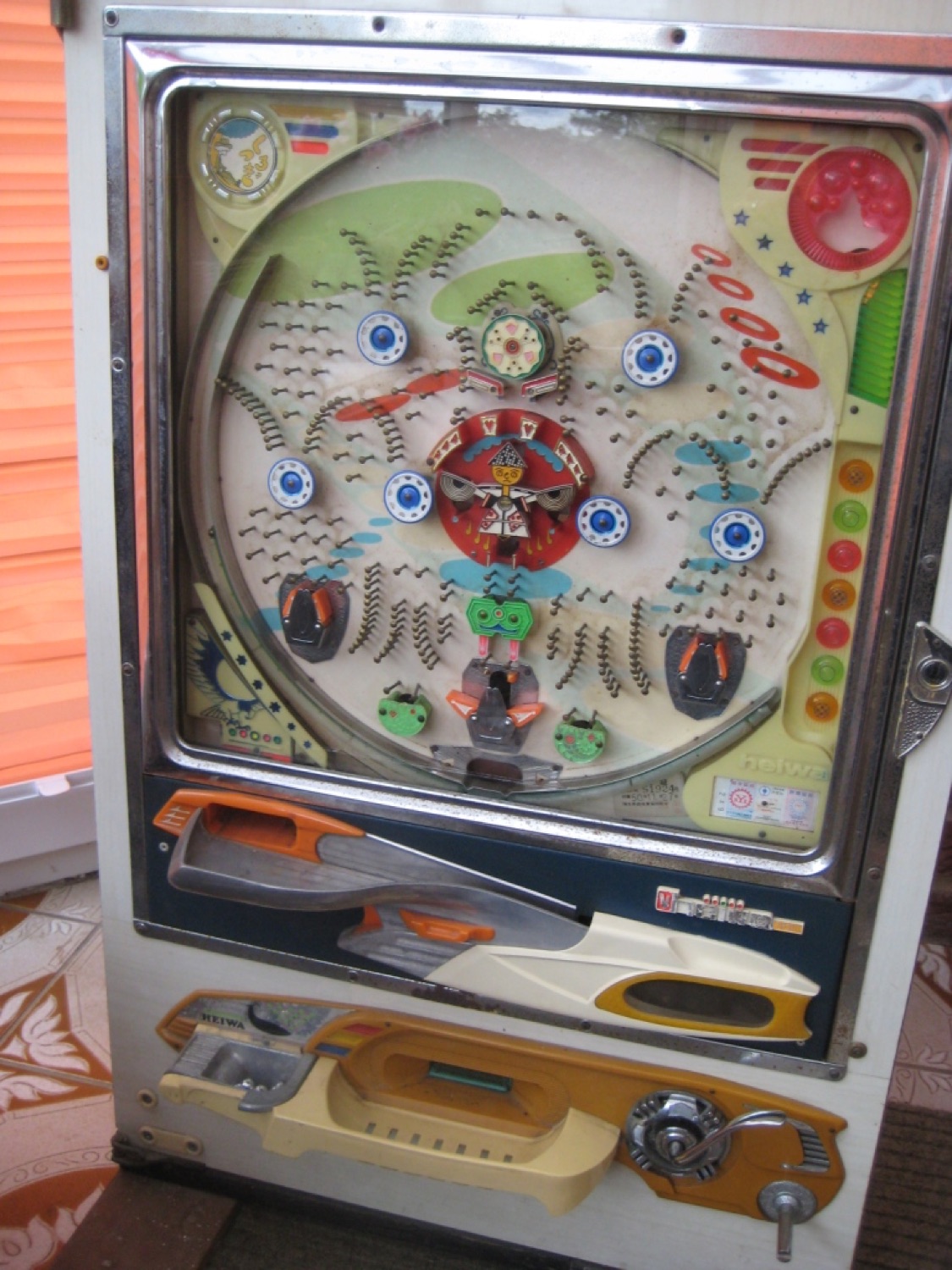
Japanese pachinko parlours run on the same physics at industrial scale: thousands of small steel balls rattling through pins, with the odds of a payout shaped by the pin layout and electronic features. Online casino "Plinko" games borrow the look but not, usually, the mechanism. The landing slot is normally picked by a random number generator first, and the bouncing ball is an animation that agrees with it. We unpack the difference, with the binomial maths that sets the odds of each slot, in the physics and RNG behind slots and Plinko.
Where to start
If you enjoy setting up the scene and watching the outcome, start with Happy Room and our combo guide. If you prefer movement and challenge, try a ragdoll racer such as Happy Wheels, or move on to our guide to stunt-driving browser games, where the crash is half the fun.