A loot box is a virtual container you buy, or earn, without knowing exactly what is inside. Open it and you get a random item: a common skin most of the time, a rare one occasionally. To many players and researchers that sounds like a slot machine with better graphics. To the games industry it is closer to a pack of football stickers. Governments in Europe have reached strikingly different answers.
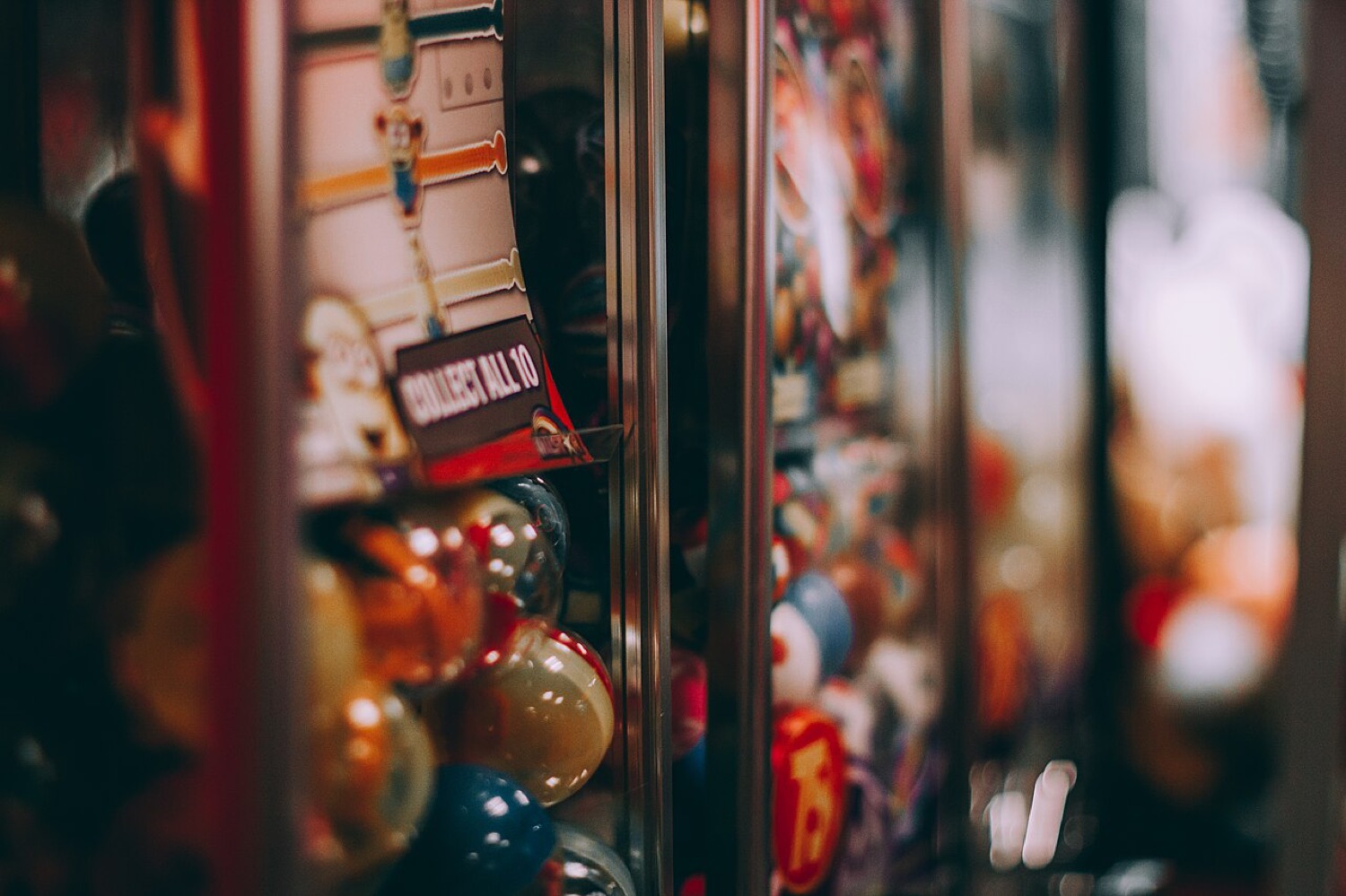
How loot boxes work
Loot boxes come in many forms: Counter-Strike's weapon cases opened with paid keys, FIFA Ultimate Team packs (now EA Sports FC), Overwatch's original boxes, "gacha" banners in mobile games and randomised crates in many free-to-play shooters, browser ones included. What they share is a payment, a random draw and items of different rarity. Some games let players trade or sell the items, which gives them a real-money value; others lock them to the account.
Belgium: "a game of chance" (2018)
In April 2018 the Belgian Gaming Commission published the results of an investigation into four games, carried out at the request of the justice minister. It found that the paid loot boxes in FIFA 18, Overwatch and Counter-Strike: Global Offensive met the definition of a game of chance under Belgian gambling law, because players staked money on a randomised outcome. (The fourth game, Star Wars Battlefront II, had removed its paid crates by the time of the review.) The commission warned of heavy fines and possible prison terms. Several publishers removed or disabled paid loot boxes for Belgian players. Academic research published since has suggested that enforcement has been uneven and that many games available in Belgium still sell randomised items.
The Netherlands: a fine, then a reversal (2018-2022)
The Dutch regulator, the Kansspelautoriteit (KSA), took a narrower view in 2018: loot boxes were a problem where their contents could be traded and so had a market value. It went after Electronic Arts over FIFA Ultimate Team packs and imposed an order with penalty payments that, according to reports, could reach ten million euros. A lower court backed the regulator in 2020. But on 9 March 2022 the Council of State, the country's highest administrative court, overturned the decision. It held that the packs should be judged as part of the game as a whole, and that FIFA as a whole is a game of skill rather than a game of chance. EA did not have to pay.
The United Kingdom: no new law, industry rules instead
The UK Gambling Commission's long-standing position is that loot boxes fall outside the Gambling Act 2005 when their contents cannot be cashed out, because the prize must be money or money's worth. It did, however, act against unlicensed sites that let people gamble with in-game items: in 2017 the operators of a site taking bets in FIFA coins became the first people prosecuted in Britain for that kind of offence. After a government call for evidence and a House of Lords committee report in 2020 that urged regulation, the government decided in July 2022 not to change the law. It asked the industry to act. In 2023 the trade body Ukie published eleven voluntary principles, including tools to stop under-18s buying loot boxes without a parent's or guardian's consent, clearer disclosure and probability information.
Elsewhere
- China has required games to publish the odds of randomised items since 2017.
- Australia changed its classification rules from September 2024: newly classified games with paid loot boxes get at least an M rating, and games with simulated gambling get an R rating, which restricts them to adults.
- The United States has no federal loot box law; disputes have mostly been fought in individual lawsuits.
| Country | Position | Key date |
|---|---|---|
| Belgium | Paid loot boxes can be illegal games of chance | April 2018 |
| Netherlands | FIFA packs not gambling; game judged as a whole | 9 March 2022 |
| United Kingdom | Outside gambling law unless cashable; voluntary industry principles | July 2022 / 2023 |
| Australia | Minimum classification ratings for loot boxes and simulated gambling | September 2024 |
Where skins gambling fits
The sharpest problems arose where loot boxes met open markets. Because Counter-Strike skins can be sold, third-party sites let players stake them on coin flips, roulette wheels, "case battles" and professional matches. In 2016 Valve told dozens of such sites to stop using Steam's systems for gambling. That story continues in esports betting, and the design principles that make opening a box so compelling are explained in variable rewards. For a game that shows the same Steam economy without randomised boxes, see our note on trading cards in the history of Happy Room.
Frequently asked questions
Are loot boxes gambling in the UK?
Not under current law when the contents cannot be cashed out. The UK chose voluntary industry principles in 2022-2023 instead of new legislation.
Did Belgium ban loot boxes?
In 2018 the Belgian Gaming Commission said paid loot boxes in FIFA 18, Overwatch and CS:GO were illegal games of chance, and several publishers removed them for Belgian players.
What did the Dutch court decide about FIFA packs?
On 9 March 2022 the Council of State ruled that FIFA Ultimate Team packs were not a separate game of chance and overturned the regulator's penalty against EA.