For about fifteen years, a browser game almost always meant a Flash game. The plug-in was on nearly every desktop, the authoring tools were cheap and portals paid developers through ads and sponsorships. Then, on 31 December 2020, Adobe ended support for Flash Player, and from 12 January 2021 it blocked Flash content from running. This is how that happened, what replaced Flash, and what it meant for the games this site once listed.
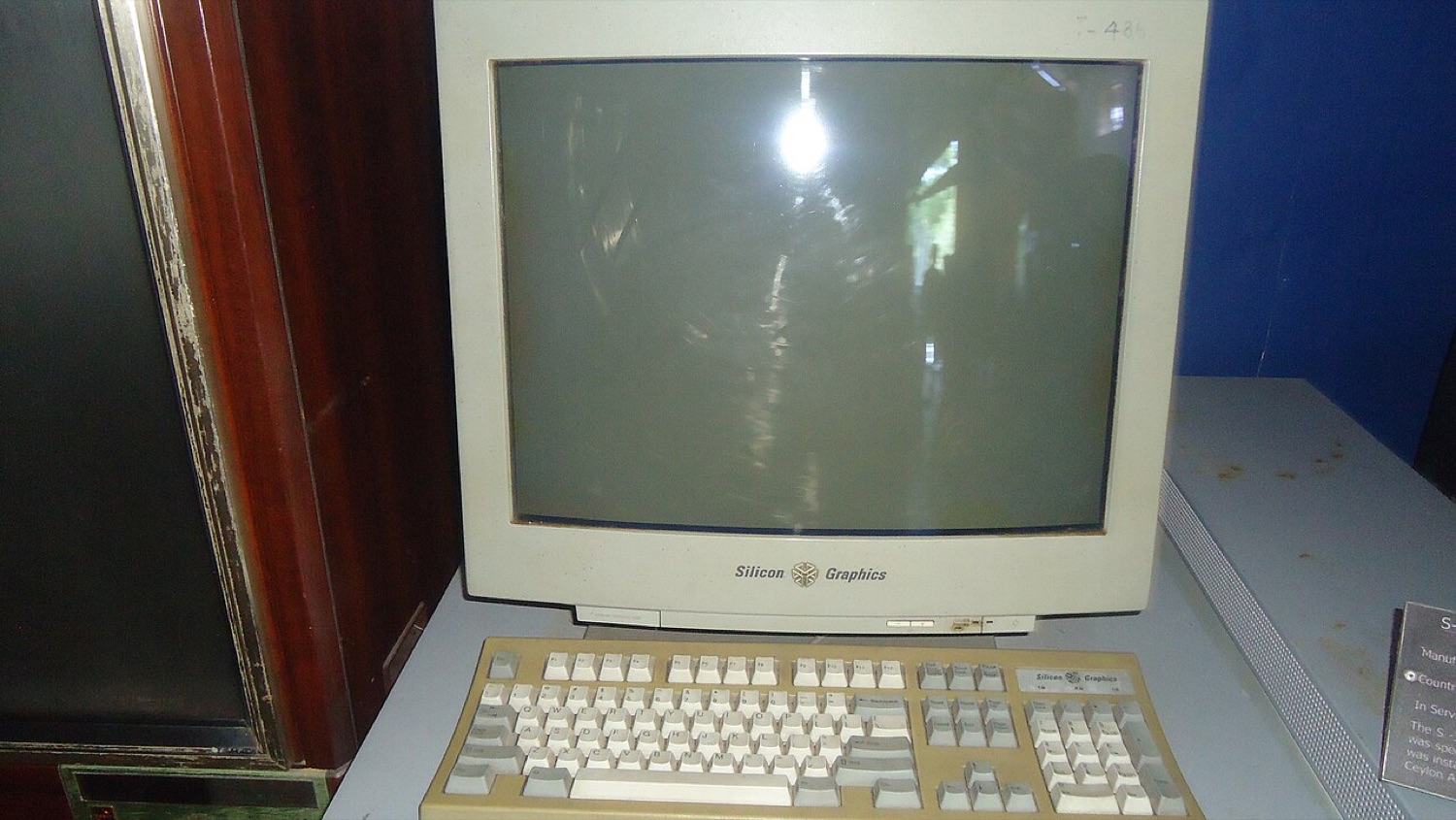
How Flash took over the browser
Flash began as a vector animation tool in the 1990s. Macromedia, which bought it, added a scripting language, ActionScript, and Adobe acquired Macromedia in 2005. By then Flash had become the easiest way to put interactive content on the web. A single developer could build a game, upload one SWF file and reach millions of players on Newgrounds, Kongregate, Miniclip and thousands of copycat portals. The archived copy of this site shows exactly that ecosystem: SWF files for ragdoll toys and torture-chamber games sat next to links to other people's games.
The long decline
- 2007-2010: The iPhone launched without Flash. In April 2010, Steve Jobs published his open letter "Thoughts on Flash", arguing that it was unreliable, insecure and power-hungry on mobile devices.
- 2011-2015: Adobe stopped developing Flash for mobile browsers. HTML5, with its canvas element and better JavaScript engines, became the standard for new web content. Browsers began blocking Flash by default and asking users to enable it page by page.
- July 2017: Adobe, together with Apple, Google, Microsoft and Mozilla, announced that Flash would reach end of life at the end of 2020.
- 31 December 2020: Support ended. From 12 January 2021 Adobe's player blocked Flash content, and browsers removed it.

What replaced Flash
There was no single successor. Several technologies together took over its role:
| Technology | What it does for games |
|---|---|
| HTML5 canvas and JavaScript | 2D drawing and game logic directly in the page, with frameworks such as Phaser |
| WebGL | Hardware-accelerated 3D graphics in the browser; behind most modern browser shooters and driving games |
| WebAssembly | Near-native speed for code compiled from C++, Rust and other languages |
| Unity and other engines' web export | Lets a 3D game made for PC also run in a tab, as Madalin Stunt Cars 2 does |
Some Flash hits were rebuilt. Run 3 and Happy Wheels, for example, are widely played today in non-Flash versions; see our guide to endless runners. Others were simply abandoned.
What was saved
Two projects did the most to stop the loss. Flashpoint, a preservation project started in 2018, has archived well over a hundred thousand Flash and other web games and animations so they can be played offline. Ruffle, an open-source Flash Player emulator written in Rust and compiled to WebAssembly, lets websites run many old SWF files safely in modern browsers; Newgrounds and the Internet Archive both use it. Neither is perfect, and many ActionScript 3 games still struggle, but both mean that a large part of the Flash era survives.
Flash casinos, instant-play poker and the switch to HTML5 slots
Game portals were not the only businesses built on Flash. Through the late 2000s, online casinos offered two ways to play: a downloadable client or an "instant play" version in the browser, and instant play nearly always meant Flash. Slot machines, roulette tables and blackjack games were written in ActionScript; many poker rooms ran Flash or Java tables alongside their main software. Free-play "social" slot sites, and social casino apps on Facebook, also relied on Flash for years.
The smartphone forced the casino industry to move earlier than many game portals. Because iPhones and later most Android phones could not run Flash, slot studios rebuilt their catalogues in HTML5 through the first half of the 2010s, often game by game. By the time Flash died, almost every major casino game had been ported, which is why a classic slot from 2008 may still run today while a hobbyist Flash game from the same year does not. For more on the history of card games in the browser, see poker and blackjack as browser games, and for the play-money side, social casinos and free browser slots.
What it means for players today
If a site still claims to offer a Flash game "with no download", it is either running an emulator such as Ruffle, serving a rebuilt HTML5 version, or misleading you. Be especially wary of pages that ask you to install a "Flash Player update": Adobe no longer offers one, and such prompts have long been a classic way to spread malware. We cover more of these traps in playing browser games safely on shared networks.